

If you try Aviator in Canada, you recognize that blend of adrenaline and tension it produces. The notion is clear: watch a multiplier rise until it fades. But beneath that ease lies a game where smart decisions count. That’s where personal coaching steps in. Good coaching doesn’t promise to beat chance. It concentrates on building your skills, managing your funds, and keeping a steady head. This guide will show you how a dedicated coach can change your method. The goal is to assist you build a strategy that makes the game more sustainable and more enjoyable. You’ll find out to move from just responding to the screen to playing with a real approach.
Selecting the Correct Coaching Approach for Players in Canada
For Canadian players in need of guidance, choosing the proper path is essential. Seek out mentors or services that emphasize responsible gambling, mathematical truth, and strategy over luck. A legitimate coach will discuss bankroll management before everything else. They will be honest about the game’s randomness and will not promise you’ll make money. Remember to keep your play and any coaching within the applicable rules of your province. Consistently use licensed, regulated platforms. The finest coaching for you will align with your personal goal: to become a more disciplined, knowledgeable, and balanced player. It offers you the tools to experience Aviator more, by focusing on mastering your own actions instead of pursuing the impossible dream of mastering the game itself.
The Purpose of a Private Aviator Games Coach
So what does a coach for a game like this typically do? I don’t give out winning numbers. I make no claims about profits. If someone promises that, you ought to leave. My job is something else. I am your strategy partner and an objective voice. Imagine it like having a dedicated mentor for your discipline. I guide you to review your play habits. We catch repeated mistakes, like trying to win back losses or losing control after a run of wins. Then we develop a structured plan that matches your specific goals. It makes no difference if you’re just starting out or you’ve been engaged for a period and feel stuck. Coaching delivers that external viewpoint. We create a reliable structure for your sessions, turning casual play into a focused regimen centered on long-term enjoyment and wise money management.
Psychological Readiness and Mental Regulation
Even the finest strategy breaks down if your mind isn’t prepared. Aviator is built to generate adrenaline rushes that impair your thinking. In coaching, we consider emotional control as a skill you can train. We understand to detect physical signs—a quicker pulse, a sensation of haste—as cues to pull back. We talk about variance. Losing sequences are a mathematical guarantee in this game. They are by no means a personal shortcoming, and the game is never ‘out to get you.’ I offer you simple frameworks for keeping neutral. View each bet as one action in a vast series. This mental separation lets you hold to your strategic approach during extreme wins and tough losses. That ability is the key distinction between a player who just responds and one who plays with strategy.
Grasping the Essential Mechanics of Aviator
Let’s begin with the essentials of Aviator. You observe a graph with a line that rises from 1x upward. It will dissipate at a random moment. Your sole job is to press ‘cash out’ before it crashes. Here is the initial thing any good coach will tell you: every single round is an independent event. A certified Random Number Generator (RNG) decides the crash point. There are no patterns to find. So getting better at Aviator isn’t about anticipating the unpredictable. It’s about controlling your own behavior within that uncertainty. A coach guides you to accept this. They move your attention away from hunting for secret signals and toward the things you actually influence: how much you bet, where you cash out, and how you handle the emotional swings.
Perfecting Risk Management and Cash-Out Timing
Risk management is your approach in action. Cash-out timing is when you see it happen. Watching that multiplier climb is a mental battle. A coach gets you ready for it. We reinforce the idea of ‘guaranteed profit.’ Cashing out at 1.5x might feel low. But if you do it effectively ten times in a row, your bankroll grows. I guide players to reinterpret a ‘win.’ A win isn’t hitting a massive 100x multiplier. A win is executing your plan perfectly. We create tactics to fight two common urges: the “just one more” feeling after a win, and the “I need to get it back” reaction after a loss. By setting your cash-out points ahead of time and using auto-bet features strategically, you take impulsive choice out of the equation. This is a hallmark of professional play.
Defining Realistic Goals and Measuring Progress
A common mistake in Aviator is having vague goals like “win a lot of money.” Coaching swaps that for clear, trackable objectives. Your goal could be to stick to your session budget for ten sessions in a row. Or to grow a play-money bankroll by 10% over 100 rounds using your chosen strategy. You measure progress by your consistency, not just your balance. I help you see that following your plan is a win in itself. That’s the true gauge of skill, whether a single session ended in profit or loss. We set small milestones and adjust them based on your session logs. This presents Aviator as a skill-based hobby where you see clear progress. That leads to a healthier, longer-lasting relationship with the game than one based purely on chasing payouts.
Building a Disciplined Betting Strategy
A clear betting strategy is the basis of successful Aviator play, and coaching is built on establishing one. We would build a plan based on what you can easily afford. This consistently starts with a strict bankroll. That’s money you are willing to lose, no questions asked. We then divide that into smaller session budgets. A core idea we could use is the ‘1% rule.’ Your maximum single bet should under no circumstances exceed one percent of your total bankroll. This safeguards you from deep losses. Next, we refine your cash-out rules. Will you cash out at a predetermined number, like 2x? Or will you use a flexible approach depending on how the session feels? I help you evaluate these methods, monitor the outcomes without emotion, and adhere to the plan even when you’re thrilled or frustrated. That persistence is what discipline really is.
Using Tools and Simulations for Practice
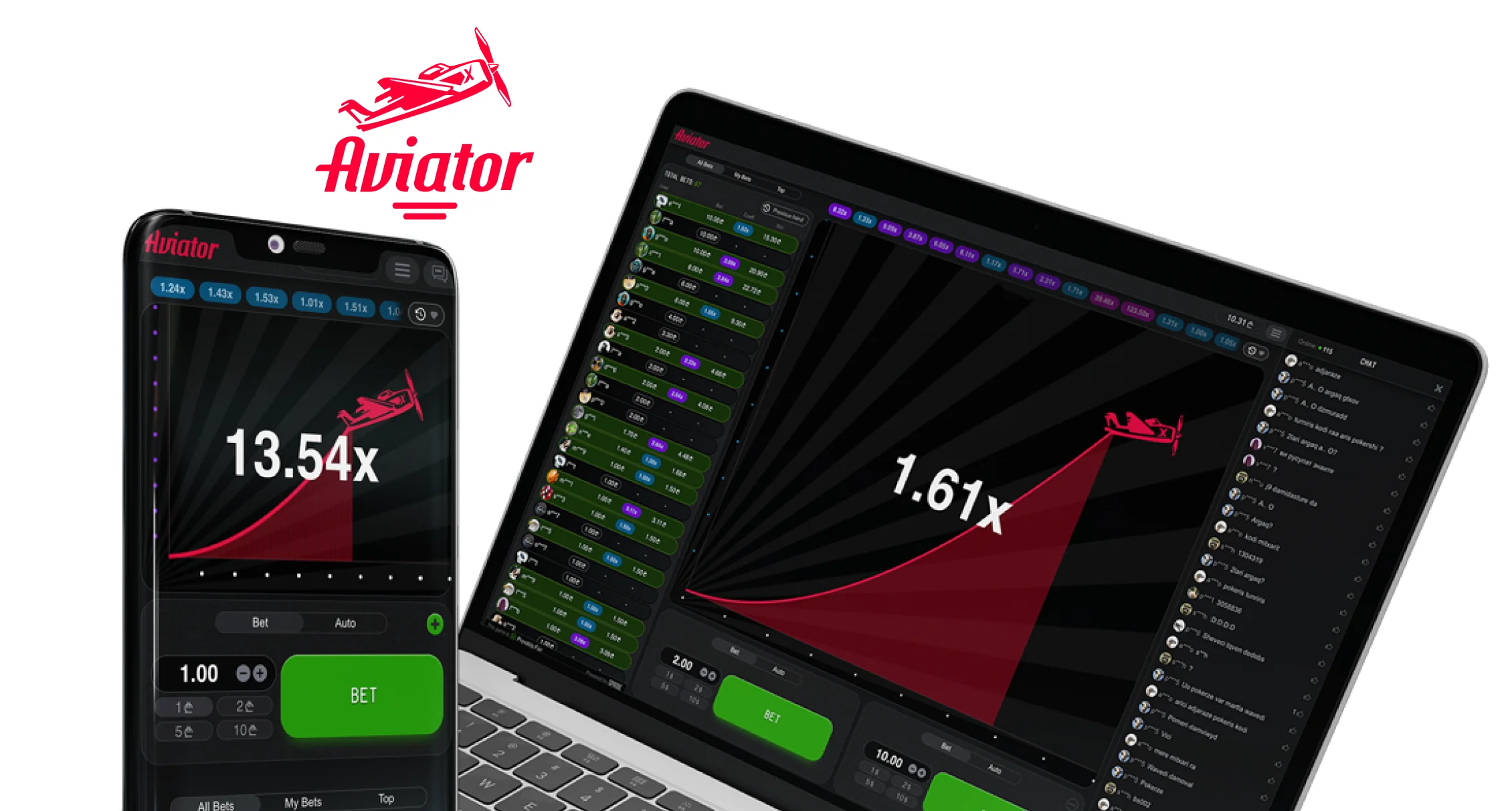
Good coaching moves from talk to practice. I always recommend using free demo modes and simulation tools before you wager with real money. These let you to test your strategy with no risk. We can run a hundred simulated sessions with a specific cash-out rule to see how it works. You can rehearse stopping after a set loss using play-money, building the habit for when real cash is involved. This practice stage is where theory becomes instinct. As a coach, I can set up specific drills in these simulators. You’ll experience volatility and practice your emotional reactions without any financial pressure. When you finally move to real play, you’ll feel more composed and confident.
Analyzing Gameplay and Gaining Insights from Session Data
You only improve by reviewing objectively your play. A coach makes that review constructive. I advise players to keep a basic log. Note the date, how long you played, your starting and ending bankroll, and a few notes. Something like, “I ignored my cash-out rule after three losses.” Later, we examine this data together. We aren’t searching for hidden patterns in the crashes. We are reviewing your decisions. Did you leave when you said you would? Did your mood alter your betting? Looking objectively at your own behavior is powerful. It transforms a vague feeling (“I played badly”) into a specific insight (“I always boost my bet size after I’ve lost half my session budget”). This loop of action and review is how you turn experience into real skill. It lets you adjust your method over time.
Recent Comments